Software Development
How to Choose the Right Partner for Custom Software Development


Software is the backbone of modern businesses. Yet, like any technology, it ages, becomes outdated, or no longer meets the evolving needs of users and the market. Software modernization often becomes essential, but transitioning comes with technical, financial, and organizational challenges.
In this article, we explore three main strategies to modernize software: the incremental approach, parallel migration, and the “big bang” method. By presenting the benefits and risks of each modernization strategy, you’ll be better equipped to choose the one that suits your context best.
The incremental approach modernizes software in several development phases. Instead of replacing the entire system at once, development teams progressively update specific parts: modules, features, or interfaces.
Reduced risk: Each step is tested and validated before moving on, limiting the impact of errors.
Flexibility: Priorities can be adjusted along the way based on user feedback or evolving business needs.
Operational continuity: Users can continue using the system throughout the transition.
Increased complexity: Managing hybrid systems (old and new) can complicate operations.
Extended timeline: This phased approach often takes longer than other methods.
Higher costs: It’s typically the most expensive option, as it requires integrating with existing technologies, even knowing those bridges will eventually be removed.
This approach is ideal when:
The software is business-critical and cannot be taken offline.
Teams have limited budgets but want to show rapid, progressive results.
The risks of service interruption must be minimized.
If you’ve used Desjardins’ AccèsD, you’ve likely seen this strategy in action. Over the years, they modernized their client portal section by section instead of opting for a massive overhaul. It was common to see old and new interfaces coexist. While not ideal for user experience, this approach allowed Desjardins to split the project into manageable phases, reducing risk and maintaining access to critical services. It also allowed them to collect user feedback at each step and continuously improve the platform.
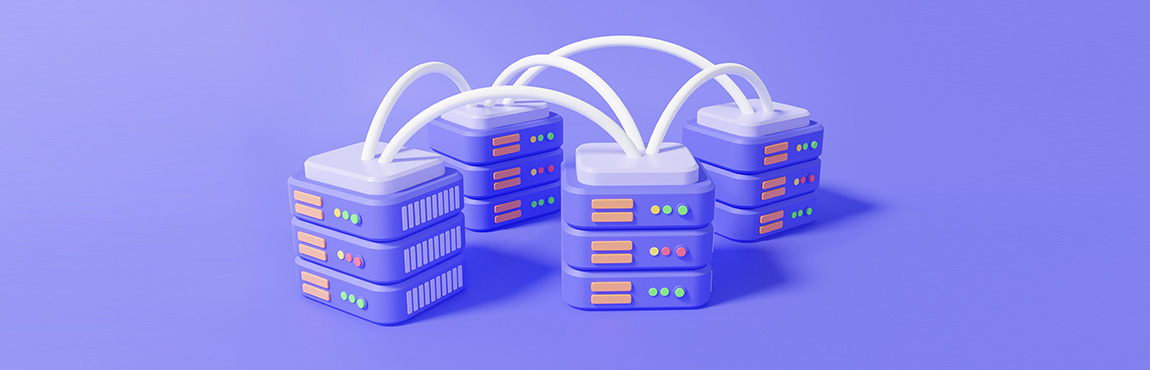
Parallel migration involves developing a new system while keeping the old one operational. Both systems run simultaneously, and users are gradually onboarded to the new platform.
Safety net: The legacy system acts as a fallback in case the new system fails.
Real-world testing: Features can be tested with real data without impacting operations.
Smooth transition: Users can gradually adapt to the new system.
Higher costs: Running two systems in parallel demands significant resources.
Data management: Synchronizing data between systems can be complex.
Team split: Divided attention between systems can slow down collaboration.
This strategy works well when:
Both systems can run simultaneously without disrupting business.
An extended testing phase is required.
The organization has the resources to maintain dual environments.
A hospital wants to modernize its medical records system. The new software is deployed department by department while the legacy system remains operational until all services have successfully transitioned.
The big bang approach replaces the existing software with a new one in a single deployment. On a set date, the legacy system is shut down, and the new one takes over.
Fast implementation: Once the transition is done, the new software is fully operational.
Simpler structure: No coexistence between systems simplifies operations.
Immediate impact: If well executed, it can create a “wow” effect for users.
High risk: A failure during deployment can cause major disruptions.
Change resistance: Sudden changes can disorient users.
Limited testing: It’s difficult to test all features in a real environment before the final rollout.
This method is best when:
The current software is no longer viable or secure.
Data and processes are simple enough to avoid complications.
The business can tolerate a brief operational pause.
A small business decides to replace its accounting software with a cloud-based ERP. After six months of prep, the switchover happens over a weekend, and the new system is fully operational by Monday.

Nobody wants their digital transformation to become a disaster, like the infamous SAAQclic rollout in Quebec. Launched in February 2023, this new platform was meant to allow customers to complete most transactions online. However, it was plagued with technical issues, long service interruptions, and massive delays. Quebec’s Auditor General launched a formal investigation, and the Minister of Cybersecurity and Digital called it a “fiasco.”
To avoid similar outcomes, it’s essential to choose the software modernization strategy that best fits your organization.
Every business is unique. The right strategy should be based on a thorough assessment of your needs. Ask yourself:
How critical is this software to the business?
What’s our risk tolerance?
What human, financial, and technical resources are available?
What are the expectations of key stakeholders, especially users?
Some companies favour stability and choose incremental change. Others, more innovation-driven, opt for bold moves like the big bang approach. Your company’s culture plays a major role in how smoothly the transition unfolds.

Budget, timeline, and business goals also influence your strategy. In some cases, a hybrid of all three approaches may be the best solution.
Modernizing software is a complex but necessary challenge to remain competitive and future-ready. Whether you choose the incremental, parallel migration, or big bang approach, success depends on a clear diagnosis, careful planning, and transparent communication with all stakeholders.
With the right strategy, modernization becomes an opportunity for innovation and growth. Need tailored guidance? Contact us for a personalized assessment.

We’d be more than happy to chat about your technology goals and always enjoy learning about new businesses along the way. Get in touch today!